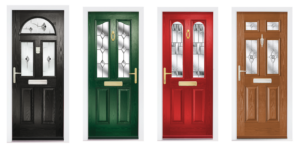
Comprehensive Guide to Composite Front Door Repairs
Composite front doors have actually acquired appeal due to their sturdiness, security, and visual appeal. However, like any other door, they can experience wear and tear over time. This extensive guide will supply property owners with the required information to determine, diagnose, and repair typical problems with composite front doors.
Understanding Composite Front Doors
Composite front doors are made from a mix of products, typically including wood, plastic, and fiberglass. This mix of products offers several advantages:
- Durability: Composite doors are resistant to warping, splitting, and decaying.
- Security: They are frequently strengthened with steel or other strong materials, making them extremely secure.
- Insulation: The materials used in composite doors provide excellent thermal insulation, assisting to reduce energy expenses.
- Looks: Composite doors can simulate the appearance of conventional wood doors while requiring less maintenance.
Typical Issues and Their Causes
Cracks and Chips
- Cause: Physical impact, such as from a ball or a falling object, can cause fractures and chips.
- Option: Minor fractures can be filled with an ideal filler, while chips can be sanded down and painted over.
Fading and Discoloration
- Cause: Exposure to sunlight and harsh weather can cause the color to fade.
- Solution: Regularly use a UV-protective covering to maintain the door's color.
Seal and Gasket Damage
- Trigger: Wear and tear over time can cause the seals and gaskets to deteriorate, leading to drafts and moisture ingress.
- Solution: Replace damaged seals and gaskets with new ones to guarantee correct insulation and weatherproofing.
Lock and Hardware Malfunction
- Trigger: Corrosion, dirt, and wear can cause locks and other hardware to malfunction.
- Solution: Clean and lube the hardware frequently. Change any damaged or worn-out parts.
Distorted or Misaligned Door
- Cause: Improper setup or structural concerns can trigger the door to warp or become misaligned.
- Option: Adjust the hinges or seek professional aid to realign the door.
Step-by-Step Guide to Repairing Common Issues
1. Repairing Cracks and Chips
- Products Needed: Composite door filler, sandpaper, paint, and a paintbrush.
- Actions:
- Clean the area around the crack or chip with a wet cloth.
- Use the composite door filler to the crack or chip, ensuring it is level with the surrounding surface area.
- Enable the filler to dry according to the producer's instructions.
- Sand the filled area till it is smooth and flush with the door.
- Paint over the repaired location to match the rest of the door.
2. Dealing With Fading and Discoloration
- Products Needed: UV-protective finishing, paint, and a paintbrush.
- Steps:
- Clean the door thoroughly to eliminate any dirt or grime.
- Use a UV-protective covering to the whole door, following the producer's guidelines.
- If the door has actually significantly faded, consider repainting it with a top quality exterior paint.
3. Changing Seals and Gaskets
- Materials Needed: New seals and gaskets, screwdriver, and utility knife.
- Steps:
- Remove the old seals and gaskets utilizing an energy knife and screwdriver.
- Tidy the area where the brand-new seals and gaskets will be installed.
- Install the brand-new seals and gaskets, guaranteeing they are correctly lined up and safely attached.
4. Fixing Lock and Hardware Issues
- Materials Needed: Lubricant, screwdriver, and replacement parts if required.
- Steps:
- Clean the lock and hardware with a cloth and a mild cleansing service.
- Use a lubricant to the moving parts of the lock and hardware.
- Check the lock and hardware to ensure they are operating effectively.
- Change any damaged or worn-out parts as needed.
5. Lining up a Warped or Misaligned Door
- Products Needed: Screwdriver, level, and shims.
- Actions:
- Check the door for positioning using a level.
- Adjust the hinges by loosening up or tightening up the screws as required.
- Usage shims to remedy any spaces or misalignments.
- Evaluate the door to guarantee it opens and closes efficiently and is effectively aligned.
Frequently asked questions
Q: Can I paint a composite door?
- A: Yes, you can paint a composite door. However, it is necessary to use a top quality exterior paint and follow the maker's directions for preparation and application.
Q: How frequently should I clean my composite door?
- A: It is recommended to clean your composite door a minimum of once a year to preserve its appearance and avoid damage. composite door handle fix can also help recognize any problems early.
Q: What should I do if my composite door is damaged beyond repair?
- A: If your composite door is seriously damaged and can not be repaired, think about replacing it with a new one. Consult a professional for the very best alternatives and setup.
Q: Are composite doors energy-efficient?
- A: Yes, composite doors are known for their exceptional insulation properties, which can help in reducing energy expenses and improve the general energy efficiency of your home.
Q: Can composite doors be repaired by a DIY lover?
- A: Many small repairs can be handled by a DIY enthusiast with basic tools and abilities. Nevertheless, for more complicated issues, it is recommended to look for professional assistance to guarantee the door is repaired correctly and securely.
Composite front doors are an important financial investment for any home, providing toughness, security, and aesthetic appeal. By understanding typical problems and following the steps laid out in this guide, house owners can keep and repair their composite doors successfully. Regular maintenance and prompt repairs will guarantee that your composite front door continues to carry out well and boost the beauty of your home for years to come.